

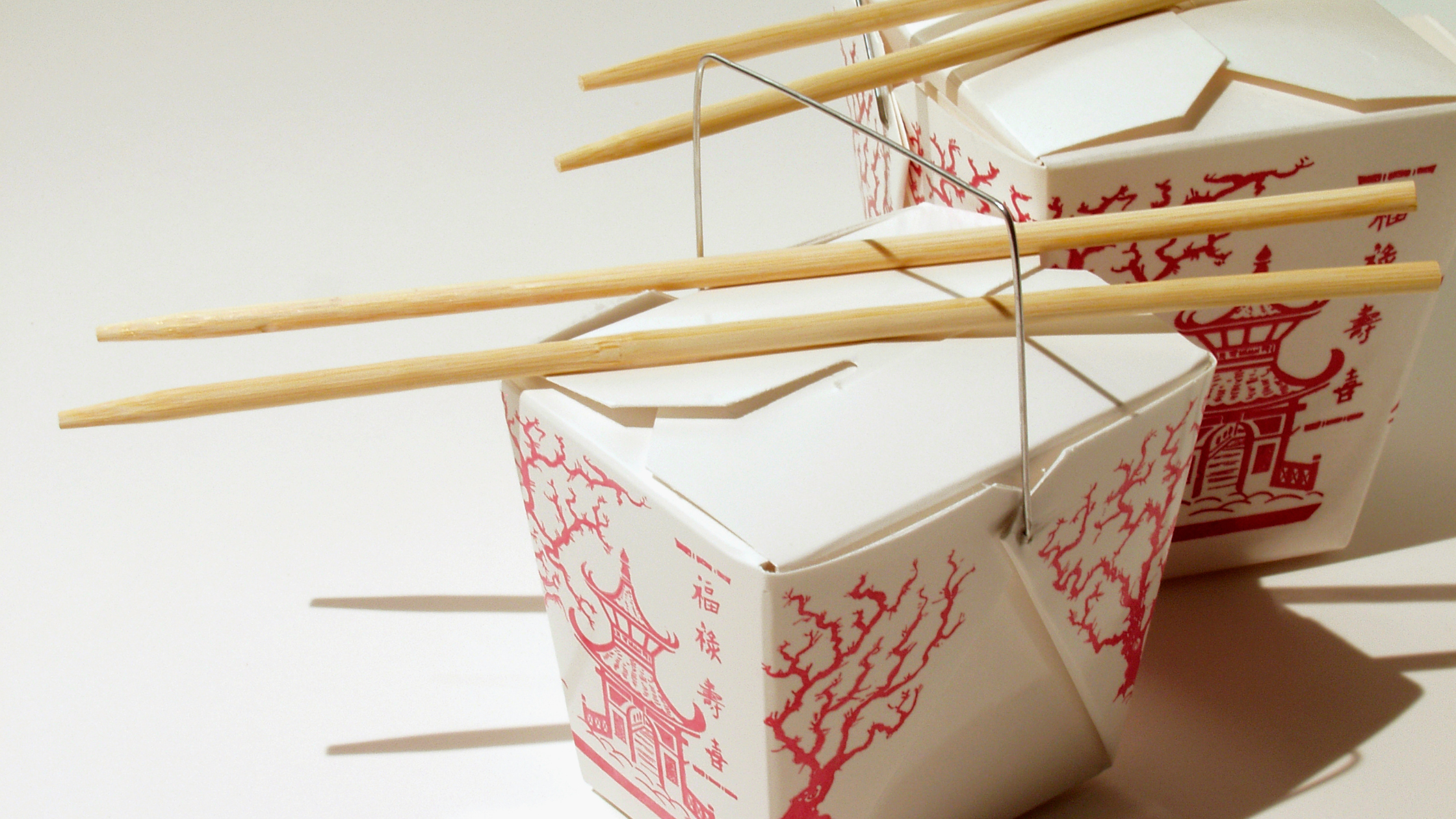
Takeout on a Friday night is genuinely one of life’s small pleasures. You pick up from your favorite place, pour your favorite beverage, put on the show you’ve been meaning to binge, and a long week ends on a good note. That’s not the problem. That’s actually one of the best parts of a week.
The problem is the other kind of takeout. The dinner hour sneaks up on you again, you’re staring into the fridge with nothing planned, and everyone in the house is asking you THE question. So out comes the phone, food is ordered, and the problem is solved for the night. Sixty dollars later.
That’s happening in busy homes across the country every single week. And it adds up fast. Add it all together and the average household is spending close to $4,000 a year on unplanned takeout and restaurant meals, according to the U.S. Bureau of Labor Statistics. And that $4,000 is not spent intentionally- no one says “How much are we budgeting for last minute take out this year?” The money is spent via a lot of small decisions, made at exactly the moment you’re too tired to make a better one, and it’s not always the healthiest choice either. There is a ton of data about how restaurant meals are loaded with excessive amounts of salt, sugar, and unecesary fats, even when it seems like a healthy choice, but that is another topic altogether.
Then there’s the food that never gets used. Buying groceries without much of a plan for how they’ll get used means a good portion ends up going bad in the fridge before anyone gets to it. Research from USDA and EPA puts that cost somewhere between $1,500 and $3,000 a year.
Put those two numbers together and you’re looking at real money in the range of $5,500 to $7,000 a year on food spending that wasn’t really intended, and most likely wasn’t great for your health either. That’s money that could be going toward something a lot more meaningful than a produce drawer full of things nobody ate. Tuition savings accounts, vacations paying down debt, adding to your investment account…it’s a meaningful sum of money that really can impact quality of life.
This Isn’t About Giving Up Takeout
For clarity, this isn’t about casting a black cloud over takeout. A Friday night takeout order you actually planned for and looked forward to is worth it. If takeout is something you want to have in your week, plan for it. That’s a completely different thing than resorting to it because there was no plan at all.
The spending that adds up without you noticing is the takeout that happens by accident, not on purpose.
What Actually Helps
Knowing where the money goes is one thing. Actually changing it is another. And the answer isn’t complicated. It comes down to what I talk about constantly: having a plan.
Have a plan for the week. Don’t skip this one.
This isn’t the most exciting tip, but it’s truly the one that saves the most money. After years of running The Dinner Daily and studying how people actually spend money on food, I can tell you this with certainty: planning how you spend on food is the single biggest lever there is. It’s not glamorous. It just works. And when you consider that food is the next biggest expense item after rent or mortgage for most families, it is a number worth paying attention to.
Going to the store for general groceries won’t get you there. It might feel like you’re getting ready for the week, but shopping for the sake of shopping usually doesn’t translate into actual meals. We’ve all had that moment: you just spent a few hundred dollars at the grocery store, you unload it all, then dinner comes around and you are still thinking “now what do I make??” When you have a plan this frustarting cycle ends.
You don’t have to plan every night.
That’s not realistic for most of us. Planning three to five nights a week gives you enough variety that you’re not resorting to takeout out of disorganization, and it usually yields enough leftovers to keep eating out to a minimum on its own. Then when you do eat out, it’s because you wanted to, not because it was the best solution in the moment.
Keep a few backup meals on hand, and make them easy.
Pick two or three meals your family already loves, meals that take about 30 minutes to get on the table, and always keep those ingredients stocked in the pantry, fridge, or freezer. The easy part matters more than it sounds. If you’re standing at the fridge facing the “what’s for dinner” question with no plan, a backup meal only saves you if it’s genuinely simple and you know it by heart. When you are already feeling the mental load of “what’s for dinner?”, then having a easy standby is all the more important.
Address the food waste side
Since a good chunk of that $1,500 to $3,000 a year comes from produce and leftovers that never get eaten, a shopping list built around what you’ll actually cook that week, not just a general grocery run, goes a long way toward making sure what you buy gets used. This goes back to the planning tip…when you have a plan for mostly everything that goes into your cart, you will find you throw away far less food. In fact, a common comment we receive from our members is something along the lines of “I am amazed at how much less food we throw away now that we are organized with our grocery shopping”.
Even if you don’t love to cook, just having a system in place for what to buy/what to make will save you from overspending every single week. As I often say as a former CPA, the numbers don’t lie. And the numbers tell us many of us are throwing away our money on food when that was never our intention to begin with. The really good news is if you implement these steps above, or just a few, you will be moving towards real savings that add up over the course of the year.
Want Help Keeping Unplanned Takeout to a Minimum?
The Dinner Daily builds your dinners around what’s already on sale at your store each week, so even on a tired night, there’s already a plan waiting instead of a decision to make. And the fact that it is based on what is on sale at your grocery store helps you save even more. Your first two weeks are free.