

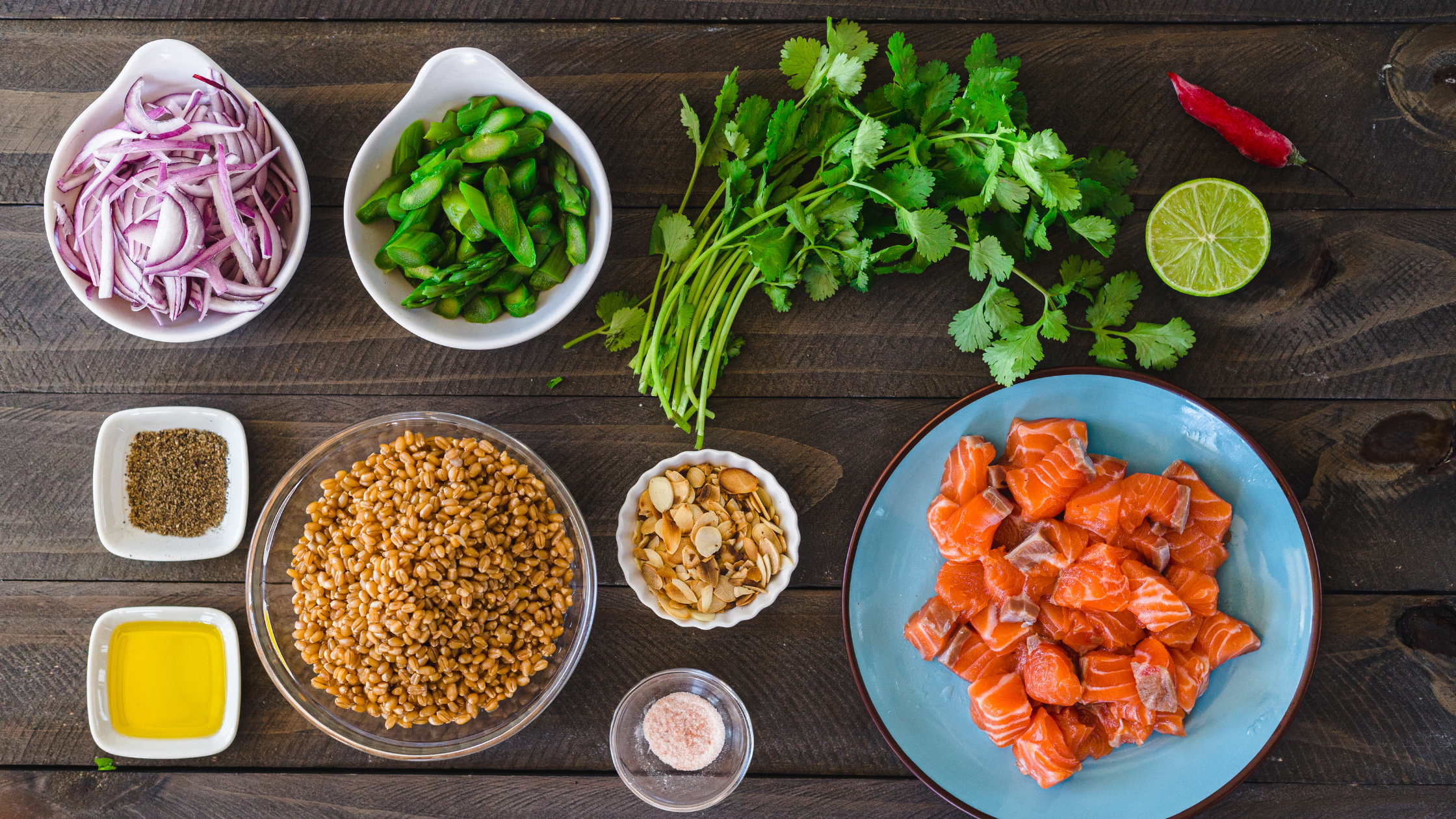
When you get ready to cook dinner, do you “mise en place”? This is a French culinary phrase that essentially means “putting in place,” or “to gather.” What it means in relation to cooking is getting all your ingredients chopped, measured, and ready to go before you ever turn on the stovetop or oven. This cooking technique makes a real difference in how dinner comes together.
Here’s a common scenario that might sound familiar to you. Let’s say you have just started cooking after a busy day. You see your first step in your meal is to sauté some garlic for 1 to 2 minutes in your skillet. You chop the garlic, heat the oil in the pan, and in it goes. The next step is to add a teaspoon of two different spices, along with a cup of chicken broth. Now, your garlic is still cooking away with about a minute to go, and you are rummaging through your spices to find the ones you need, followed by looking for your measuring spoons (“darn, they are in the dishwasher”). Now you need a minute or two to wash them. You haven’t even gotten to measuring the broth, but by now, your garlic is turning dark brown and is on its way to being burnt.
Meanwhile, this is most likely not feeling like a relaxing or enjoyable way to prepare dinner. I feel stressed just writing this out.
Why Mise en Place Makes a Difference
Picture this instead: you have all your ingredients chopped, measured, and lined up neatly before you start cooking. No more scrambling to chop a vegetable while the chicken overcooks, or hunting for a large stirring spoon, or searching for the right spices mid-recipe. Your meal comes together the way you actually intended.
Incorporating mise en place into your cooking routine saves time, but it also makes cooking more relaxing and enjoyable.
I first discovered this technique when I took some culinary classes in Boston. After we were given our assignment at the start of class, we went to our stations. The chef would then walk around and check each student’s mise en place. We were not allowed to start cooking until he confirmed it was set up correctly. This included fully prepped ingredients and the necessary equipment, like pans, knives, and measuring tools.
The reason this is such a fundamental technique in culinary classes is simple: when you set up your mise en place before you start cooking, you set yourself up for success. In a busy restaurant kitchen, this is critical. In your home kitchen, you might not get fired, but you might find cooking more stressful than it needs to be, and you might not always love the end result either.
How to Get Started with Mise En Place
Spending a few minutes before you start cooking to get this in place will reduce stress and increase the likelihood that you’ll be happy with the meal. And if you don’t enjoy cooking right now, this might be the thing that changes that.
Step 1: Read Over the Recipe
Take a quick read through the entire recipe from beginning to end and note what you will need. This also helps you anticipate the steps involved while you’re cooking.
Step 2: Gather Your Ingredients and Tools
Gather all the ingredients you’ll need for the recipe (vegetables, main proteins, pantry items, spices, etc.). I usually put everything on my island right next to my stovetop.
This step also includes finding the necessary pans (skillet, saucepan, 13×9 dish, etc.), measuring spoons, cutting boards, and knives. Place the skillet or saucepan on the stovetop and have any stirring spoons or utensils nearby. No matter what you need, you want everything in reach and ready to go. Hunting through your utensil drawer or dishwasher once cooking has started is not where you want to be.
Step 3: Prep the Ingredients
Chop, slice, and measure all the ingredients you’ll need. Follow the recipe’s ingredient list and make sure each item is accounted for. Place each ingredient in small bowls (I use clear Pyrex bowls) so it’s ready to go when you need it. Depending on how many ingredients you’re prepping, you could also just separate them on a cutting board.
Line them up, ideally in the order you’ll use them, next to your stovetop. You don’t want to be moving back and forth once cooking starts.
Step 4: Start Cooking
Now that your mise en place is ready, and your pans and tools are within reach, it’s time to cook. Your prep set you up for success, and you should now find the whole process going much more smoothly. You might even start to feel a bit like a professional cook based on how it all comes together.
As You Get Started with Mise en Place
I’m confident that once you start setting up your mise en place before cooking, you won’t want to cook without it. That said, it might take some time to make this a regular part of your routine. To set yourself up for success, there are a few things you can do beforehand:
Organize your spice cupboard and pantry so the things you commonly use in weeknight cooking are easy to find, like broths, diced tomatoes, beans, and pasta. Having all these items in one space speeds up your mise en place setup. You might even consider a spice organizer for your drawer or cupboard to make searching faster.
Take stock of what you have (or need) to hold prepped ingredients. I use small Pyrex dishes, but anything that works for you is fine. The point is having 6 to 8 dishes on hand that you can keep together for this purpose.
Check whether you need to replace any measuring spoons, cutting boards, or other commonly used cooking items.
You might not need to do all or any of the steps above, but it’s worth reviewing the list so you’re set up for success.
So next time you cook dinner, try doing mise en place. Once you try it, you’ll wonder how you ever cooked without it.
Updated Sept 2026
Want some more helpful tips on making dinner easier?
Check out these articles below:
Meal Planning for Dinner: 10 Tips to Make It Easier
Meal Planning: How to Get Started
Six Health Benefits of Cooking from Home