

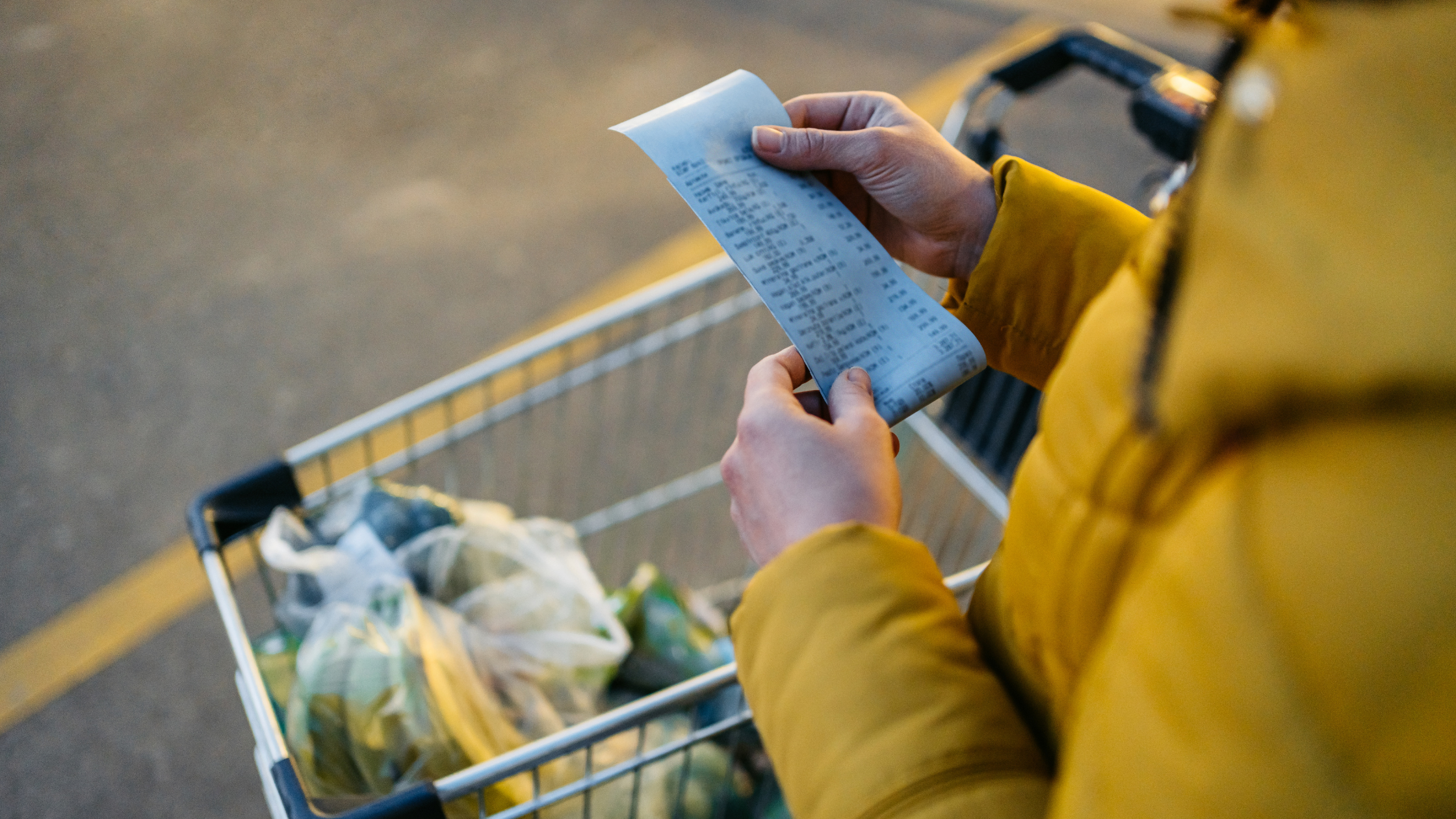
You set a number in your head. Maybe it’s $150 a week, maybe $200. And somehow, month after month, you’re spending more than that, and you can’t quite figure out where it’s going.
Here’s the thing: it’s not that you’re bad with money. It’s that grocery spending is genuinely one of the hardest budget lines to control. And most of the reasons it keeps creeping up have nothing to do with the price of eggs.
It’s Not Like Rent or Mortgage
Your mortgage or rent is the same number every month. Your grocery bill? It’s all over the place. One big weekly shop, a couple of midweek runs, maybe some takeout when you got caught without a plan on a Thursday night. The spending happens in drips, and those drips are easy to ignore in the moment.
That midweek run to grab a few things- we all know how that one ends. You walk in for milk and bread and walk out having spent $40. The store is designed for exactly that. The layout, the end-cap displays, the strategically placed items near the registers. All of it is working against you. And when you’re tired and just trying to get dinner sorted, your defenses are down and those impulse purchases quickly add up.
This is where grocery budgets quietly get out of control leaving you wondering how the monthly bills add up so quickly.
Walking In Without a Plan Is Expensive
If you’re serious about spending less at the grocery store, here’s an unpopular truth: stepping inside without a list is a budget disaster waiting to happen. Every time.
I know this from personal experience. When I went in with a list, I stuck to it. When I got lazy and winged it, my bills were almost always higher. Every single time. The power of the plan is real, and it’s not complicated. It just requires actually doing it before you walk through those doors.
Without a plan, you’re making decisions in real time, in an environment built to get you to spend more. You’re buying things that seem useful in the moment but end up forgotten in the back of the fridge. You’re grabbing duplicates of things you already have at home. And then, two weeks later, you’re throwing out food that never got used which means you’re paying twice for the same meal that never happened.
Food waste is one of the most overlooked budget drains there is. And it’s almost always a side effect of shopping without a plan.
The Sales Flyer Is Worth More Than You Think
Most people toss the weekly sales flyer without a second glance. That’s understandable as it can look like junk mail. But those big featured sales? The proteins, the produce, the items on the front page? Those are what’s called loss leaders. Stores put them on sale at a real discount to get you in the door, banking on the fact that you’ll fill your cart with a lot of other things once you’re there.
Here’s how to flip that to your advantage: use the flyer to plan your meals before you shop. Build your dinners around what’s on sale that week especially the proteins and produce, which are usually the most expensive items on your list. When a significant portion of your ingredients are on sale, you’re spending meaningfully less for the same meals.
We’ve measured this at The Dinner Daily. When members shop with a plan built around their store’s weekly specials, they spend 20 to 25% less than they would shopping for those same ingredients at full price. Over a month and over the year, that’s meaningful money that can be used for a vacation, college funds, or to paydown debt.
You’re Probably Paying More Than You Need to for Some Things
This one stings a little, but it’s worth saying: a lot of what we buy at the store costs far more than it needs to.
Premium brands vs. store brands is the obvious one. We looked at this directly in a previous post, and the short version is: in many cases, you’re paying for the label, not the product. The ingredients are often identical.
But the bigger one? The things you’re buying that take almost nothing to make at home. Salad dressings, spice blends, sauces and marinades. Most of these can be made in a few minutes with what’s already in your pantry, cost a fraction of the store-bought version, and honestly taste better because they don’t have the fillers and preservatives that the shelf-stable version requires.
My go-to dressing is olive oil, lemon juice, balsamic, oregano, and a little garlic. I almost always have those things on hand. No special trip needed, no $6 bottle of dressing. Little savings like this don’t feel like much individually but they add up quietly across a month.
A Few Things That Made a Real Difference for Me
Beyond the planning piece, a few simple habits moved the needle in my own family’s grocery spending:
Don’t shop with the kids if you can help it. Anyone who has navigated a store with young children knows what I’m talking about. It’s hard to focus, and the cart fills up in ways you didn’t intend.
Build in a leftover night. Even one night a week where you repurpose what’s already in the fridge reduces what you need to buy, and cuts down on food waste at the same time.
Plan one super-simple, low-cost meal each week. Omelets, sandwiches, bean burritos. These meals cost next to nothing, and having one built into your week keeps your total grocery spend lower without feeling like a sacrifice.
Don’t Forget the Real Cost of Not Planning
Here’s the part that doesn’t always show up in the grocery budget but absolutely should: unplanned takeout and restaurant meals.
When you get to 6 PM without a plan and nothing ready, you order in. That meal, plus tip, plus the delivery fee, is probably $40 to $60 for your family. It happens once, no big deal. It happens twice a week, and now you’ve added $400 or more to your monthly food spending, none of which showed up in your grocery budget.
And the cost isn’t just financial. Restaurant and takeout meals are notorious for hidden salt, butter, oils, and sugar you’d never add at home. You often can’t taste it, but it’s there. Do that a few nights a week and you’re quietly adding things to your diet you didn’t choose and don’t need. The health cost of not having a plan is real too, even if it doesn’t show up on a receipt.
The Fix Is Simple (Not Easy, But Simple)
Get a plan in place before you shop. Use your store’s sales flyer. Write the list. Stick to it.
It takes some getting used to, but once it becomes part of your weekly routine, it genuinely changes how you feel about grocery shopping, and what you see when you look at your bank statement at the end of the month.
If you’d like some help, that’s exactly what we do at The Dinner Daily. Every week, we build you a personalized menu based on what’s on sale at your specific store, with a shopping list ready to go. Your first two weeks are on us for free. You can try it at thedinnerdaily.com.