

Updated May 2026
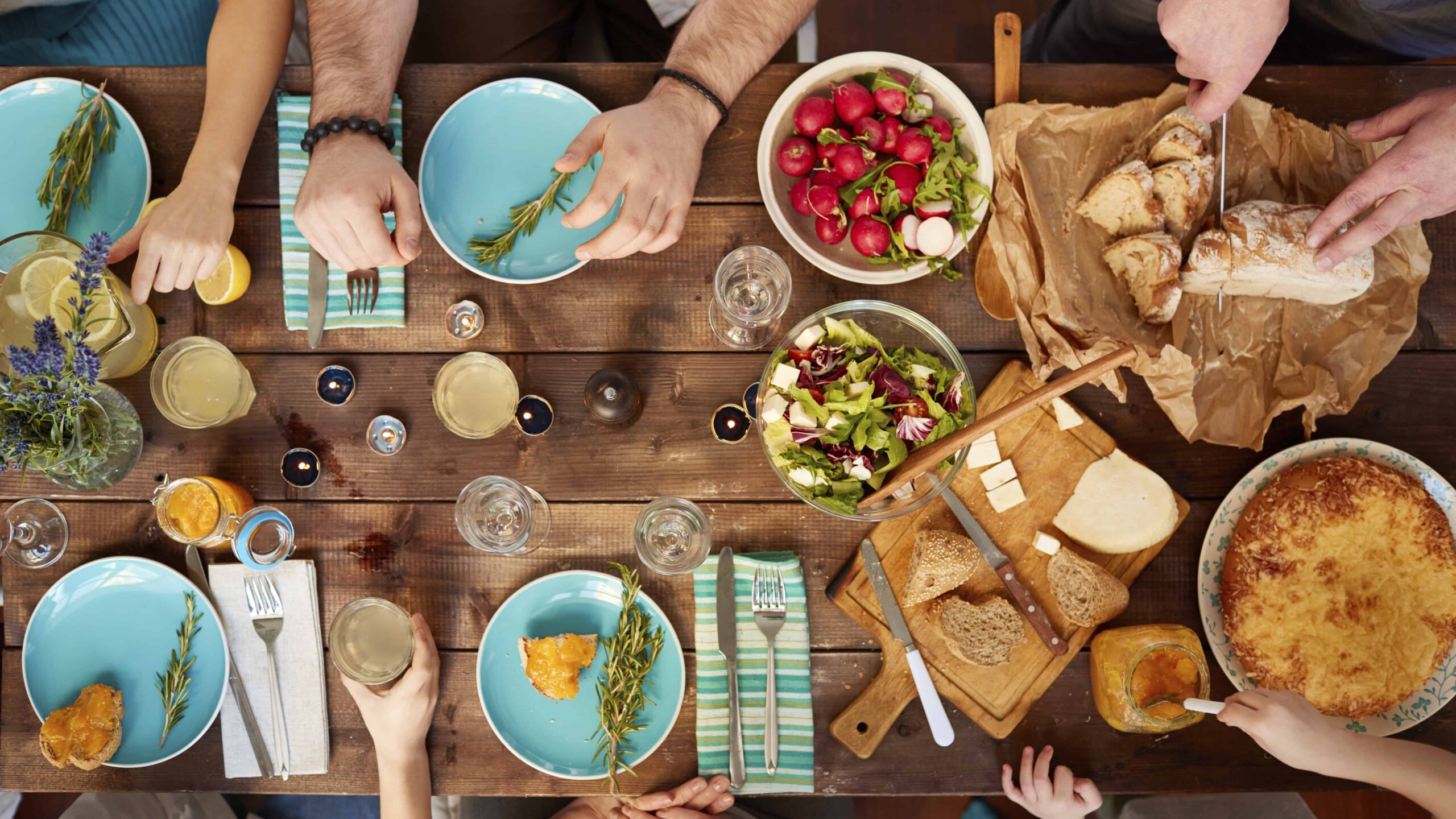
Family dinner. It sounds like such a humble term.
For a lot of busy families, it can even sound old-fashioned, or like one more thing on an already impossible to-do list. With work commitments, long commutes, evening activities, and the general overwhelm of daily life, sitting down together at the dinner table is something that too often gets pushed aside. We eat on the go, in the car, at different times, or we rush through it just to get to the next thing.
But here’s a reframe worth considering: what if dinner wasn’t something to get through, but something to actually look forward to?
For most families, the reason dinner feels like a chore has nothing to do with the meal itself. It’s the scramble. No plan, nothing prepped, a last-minute run to the store, everyone hungry and tired. Of course that feels like a burden. But when dinner is planned, shopped for, and ready to go, the whole experience shifts. It stops being a source of stress and starts being something else entirely.
And what it can become is pretty amazing.
Why Family Dinners Matter More Than You Think
The research on this is genuinely compelling, and worth knowing.
Kids who have regular family dinners just a few times a week are more likely to have stronger relationships with their parents, perform better in school, get better grades and test scores, and have lower dropout rates. They also show lower rates of substance abuse.
Those are not small things.
And when you think about why, it makes sense. The dinner table is one of the few places in a busy family’s week where everyone is in the same room, without somewhere else to be for a few minutes. That chit-chat that seems insignificant? It isn’t. It’s connection. It’s belonging. It’s a child knowing that what happened to them today is worth talking about, and that someone at that table is listening.
For my own family, the dinner table was where we heard about everything. A funny story from the lunch room. A friendship that was struggling. A hard day at work. A win worth celebrating. Sometimes the conversations were light and hilarious. Sometimes they raised something that needed to be followed up on. But the point is those conversations happened. And when everyone is moving at full speed, that kind of connection doesn’t just happen on its own. You have to create the conditions for it.
The dinner table is one of the simplest ways to do that.
The Health and Budget Case
Beyond the connection piece, there’s a real health and financial argument for making family dinners a regular habit.
When you cook at home consistently and sit down to eat together, takeout and processed foods naturally become less frequent. You eat more balanced meals, you know what’s in your food, and you make better choices by default. Not because you’re trying harder, but because you have a plan and the ingredients to follow it.
And the money side of it matters too. Every restaurant meal or delivery order is a significant expense compared to a home-cooked dinner. Making family dinners a regular habit is one of the most consistent ways to keep your food spending in check over time.
How to Make It Actually Happen
None of this matters if it stays theoretical. Here’s what actually works.
Declare two or three nights as family dinner nights. You don’t need to do this every night. That’s not the goal. Pick two or three nights when everyone can realistically be home, put it on the calendar, and protect those nights. Announce it at the start of the week, a text to the family, a note on the fridge, whatever works for your household. If your kids are older, ask them to plan their schedules around it. It may take some getting used to, but the routine builds quickly once you commit to it.
Leave the phones off the table. This one applies to parents just as much as kids. Put your phone somewhere away from the table before you sit down, far enough that you won’t be tempted to check it. In our house, there’s a basket on the counter nearby. Whatever message is waiting can wait another 30 minutes. What’s happening at that table is worth more.
Have a plan before the week starts. This is the single biggest reason family dinners fall apart: no plan. When you don’t know what’s for dinner, everything unravels. You wing it at the store, you get home without the right ingredients, you end up ordering out, and the whole evening goes sideways. Not to mention everyone probably feels your stress of not having a plan. Having a plan at the start of the week changes all of that. You know what you’re making, you have what you need, and dinner goes from a scramble to something that actually comes together.
If you’d like help with the planning part, that’s exactly what we do at The Dinner Daily. We build you a personalized weekly menu based on what’s on sale at your store, with a complete shopping list ready to go. You can try it free for two weeks here.
Get the family involved. Ask for help getting dinner on the table. Set the table, fill the water glasses, make the salad, chop the vegetables for the steamer. These small tasks take pressure off the cook and add to the feeling of doing something together. All those little moments add up.
It Doesn’t Have to Be Perfect or Every Night
If you’re just getting started with making family dinners a regular thing, be patient with yourself and your family. It takes time to build any new routine.
And it doesn’t need to be every night. A few consistent family dinners a week, with real food on the table and phones put away, is enough to make a difference. The goal isn’t perfection. It’s showing up regularly, at the same table, and letting that time do what it does.
The memories that come from those dinners, the funny stories, the hard conversations, the ordinary Tuesday nights that somehow stick with you, are worth protecting.
Need more help in getting easy family dinners on the table? Check out these additional resources below: